Basement flooding is one of the most common and costly issues homeowners face in Connecticut. Between heavy spring rains, coastal storms, snowmelt, and the region’s naturally high water tables, homes across the state are constantly at risk. A properly functioning sump pump is not just a convenience—it is a critical line of defense that helps protect your home’s structure, your belongings, and your long-term property value.
For homeowners in Connecticut, sump pump services are not something to think about only after a problem occurs. Whether you are installing a system for the first time, replacing an aging unit, or scheduling routine maintenance, taking a proactive approach can make a significant difference when severe weather hits.
Why Sump Pumps Are Essential in Connecticut Homes
Connecticut’s environment creates the perfect conditions for basement water intrusion. The combination of seasonal rainfall, melting snow, and fluctuating groundwater levels puts constant pressure on foundations. Many homes across the state—especially older properties—were not originally built with modern drainage systems, making them even more vulnerable.
The Federal Emergency Management Agency estimates that even a small amount of water in a basement can cause thousands of dollars in damage. Flooring, drywall, insulation, electrical systems, and personal belongings are all at risk once water enters the home. Beyond immediate damage, moisture can lead to long-term issues like mold growth and structural deterioration.
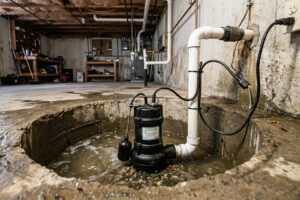
A sump pump collects excess groundwater in a basin and pumps it safely away from the foundation. When installed and maintained correctly, it serves as a reliable safeguard during heavy rainstorms and rapid snowmelt events common throughout Connecticut.
Types of Sump Pumps and Choosing the Right System
Not all sump pumps are the same, and selecting the right type depends on your home’s specific needs. Understanding the differences can help ensure your system performs effectively when it matters most.
Submersible sump pumps are installed inside the sump pit and are designed to operate underwater. They tend to be quieter and more efficient, making them a popular choice for finished basements or homes where noise is a concern. These pumps are also better suited to handling higher water volumes, which is important during heavy storms.
Pedestal sump pumps have motors mounted above the pit, making them easier to access for maintenance and repairs. They are generally more affordable but can be noisier and less powerful than submersible models. For homes with lower water exposure, they can still be a practical solution.
Battery backup sump pumps are essential for Connecticut homeowners. Storms that bring heavy rainfall often cause power outages. Without a backup system, your primary pump will not function when you need it most. A battery backup system automatically activates when power is lost, helping prevent flooding during critical moments.
Water-powered backup systems are another option, particularly in homes connected to municipal water supplies. These systems use water pressure instead of electricity, providing an additional layer of reliability.
For most homes in Connecticut, the best setup includes a primary submersible pump paired with a battery backup system. This combination offers both performance and protection against unexpected outages.
Common Sump Pump Problems and Warning Signs
Many sump pump failures occur without warning, but there are often early signs that something is wrong. Recognizing these warning signs can help you address issues before they turn into costly emergencies.
If your sump pump runs continuously, even when conditions are dry, it may indicate a problem with the float switch or groundwater pressure exceeding the system’s capacity. Strange noises, such as grinding or rattling, can signal motor issues or debris in the system. Visible rust or corrosion may suggest the pump is nearing the end of its lifespan.
Frequent cycling, where the pump turns on and off repeatedly, can also point to improper installation or a failing component. In more serious cases, the pump may fail to activate at all during heavy rain, leading to immediate water accumulation.
Most sump pumps have a lifespan of about seven to ten years. However, in areas with high water tables or frequent use, such as many parts of Connecticut, that lifespan may be shorter. Regular inspections can help determine when a replacement is needed before failure occurs.
What to Expect During Sump Pump Installation
Installing a sump pump involves more than simply placing a unit in a pit. A proper installation ensures long-term performance and reliability.
The process typically begins with creating or preparing the sump pit. This includes excavating the area and installing a durable basin designed to collect water efficiently. The pump is then placed inside the basin and connected to a discharge pipe that directs water away from the home.
A check valve is installed to prevent water from flowing back into the pit after it has been pumped out. The discharge line is routed to a safe location outside the home, preventing water from returning toward the foundation.
In Connecticut, proper installation must also account for local conditions. Discharge lines need to be positioned carefully to avoid freezing during winter months and to comply with local codes that regulate where water can be directed.
Professional installation helps ensure all components are correctly configured, reducing the risk of failure during heavy rainfall.
The Importance of Backup Systems
One of the most overlooked aspects of sump pump systems is the need for a reliable backup. During severe storms, power outages are common, and without electricity, a standard sump pump cannot operate.
When a pump fails during a storm, water can quickly fill the sump pit and overflow into the basement. The damage can escalate rapidly, especially if the issue goes unnoticed for several hours.
Battery backup systems provide a critical safety net by allowing the pump to continue operating even when power is lost. Depending on the system, they can run for several hours or longer, helping to prevent flooding until power is restored.
For Connecticut homeowners, a backup system is not just an upgrade—it is a necessity. Given the region’s weather patterns, relying on a single pump without backup protection leaves your home vulnerable.
Routine Maintenance Keeps Your System Reliable
Sump pump maintenance is often overlooked, yet it plays a crucial role in preventing unexpected failures. A well-maintained system is far more likely to perform effectively during heavy rain or snowmelt.
Annual maintenance should include cleaning the sump pit to remove debris, testing the float switch to ensure proper operation, and inspecting the discharge line for clogs or blockages. It is also important to check the check valve and confirm that water flows freely away from the home.
In colder months, homeowners should pay close attention to discharge lines to prevent freezing. Frozen pipes can block water flow and cause the system to fail when it is needed most.
Testing the backup system is equally important. Batteries should be checked regularly and replaced as needed to ensure they will function during an outage.
Scheduling routine service with a professional plumber can help identify potential issues early and extend the lifespan of your system.
Repair vs. Replacement: Making the Right Decision
When a sump pump begins to show signs of failure, homeowners often face the decision of whether to repair or replace the unit. The right choice depends on several factors, including the pump’s age and the severity of the issue.
Repairs may be sufficient if the pump is relatively new and the problem is minor, such as a faulty switch or a clogged intake. Addressing these issues promptly can restore the system’s performance without the need for a full replacement.
However, if the pump is older or has experienced multiple failures, replacement is often the better option. Upgrading to a newer, more efficient model can improve reliability and provide better protection against flooding.
Considering the potential cost of water damage, investing in a new sump pump is often more cost-effective than risking repeated breakdowns.
Local Considerations for Connecticut Homes
Connecticut presents unique challenges that can impact sump pump performance. Freeze-thaw cycles during winter can affect discharge lines, while clay-heavy soils retain water and increase pressure around foundations.
Many older homes in the state lack modern drainage systems, making sump pumps even more important. High water tables in certain areas can also lead to frequent pump usage, which increases wear and tear over time.
Working with a local plumbing professional ensures your system is designed to handle these specific conditions. A tailored approach helps improve performance and reduces the likelihood of failure during extreme weather.
Why Professional Sump Pump Services Matter
While some homeowners attempt to install or repair sump pumps themselves, professional service offers significant advantages. Proper sizing, installation, and configuration are essential for long-term performance.
A licensed plumber can assess your home’s needs, recommend the appropriate system, and ensure all components are installed correctly. They can also identify underlying drainage issues that may contribute to water problems.
Professional services provide peace of mind, knowing your system is ready to handle Connecticut’s unpredictable weather.
When To Call Ray Page Plumbing for Sump Pump Services
When dealing with potential water damage in Connecticut, timely expert intervention is essential. Ray Page Plumbing offers critical professional sump pump services precisely when homeowners need them most—whether it’s for proactive maintenance before severe weather, troubleshooting frequent cycling and unusual noises, managing failures during power outages, or replacing aging units approaching the end of their lifespan. Their decades of local experience ensure your system is optimized for the region’s specific drainage challenges, providing reliable, year-round protection for your home’s basement and structural integrity.
FAQ: Sump Pump Services
How often should a sump pump be serviced?
It should be serviced at least once a year, ideally before the spring season when rainfall and snowmelt increase groundwater levels.
How long does a sump pump last?
Most sump pumps last between seven and ten years, though heavy use can shorten that lifespan.
Do I need a backup sump pump?
Yes, especially in Connecticut, where storms can cause power outages. A backup system ensures continued operation when electricity is unavailable.
What size sump pump is best for my home?
The right size depends on your home’s water exposure and drainage conditions. A professional evaluation can help determine the best fit.
Why is my sump pump running constantly?
This may be caused by a stuck float switch, high groundwater levels, or an improperly sized system.
Can a sump pump prevent all basement flooding?
While highly effective, sump pumps may need to be combined with additional drainage solutions in extreme conditions.